The modern aesthetic and biomedical landscape is undergoing a radical shift away from invasive surgical procedures toward precision-engineered energy solutions. For decades, correcting deep wrinkles, atrophic acne scars, and significant skin laxity meant accepting weeks of painful recovery, raw skin surfaces, and the inherent risks of traditional surgical facelifts or aggressive fully-ablative carbon dioxide lasers.
Enter Laser-Coring, a next-generation breakthrough in skin resurfacing and structural rejuvenation driven by innovation.
By harnessing ultra-precise cold fiber technology and advanced equipment, this technique achieves deep dermal remodeling and skin rejuvenation and tightening without ever requiring a scalpel. Behind these state-of-the-art clinical devices are high-performance component manufacturers like Inphenix, whose advanced optoelectronic engineering provides the stable light sources and components essential for medical-grade laser innovation.
Understanding the Core Concept: What Is Laser-Coring?
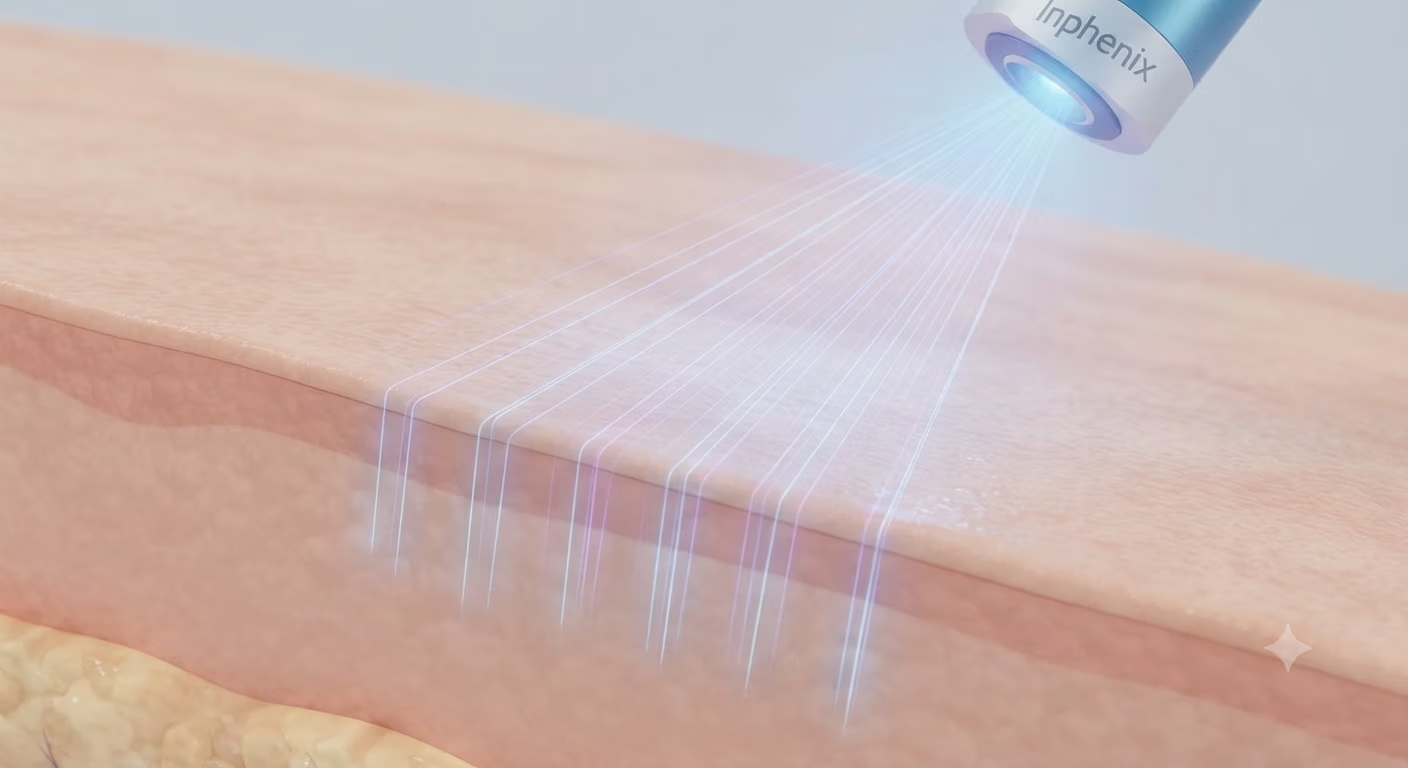
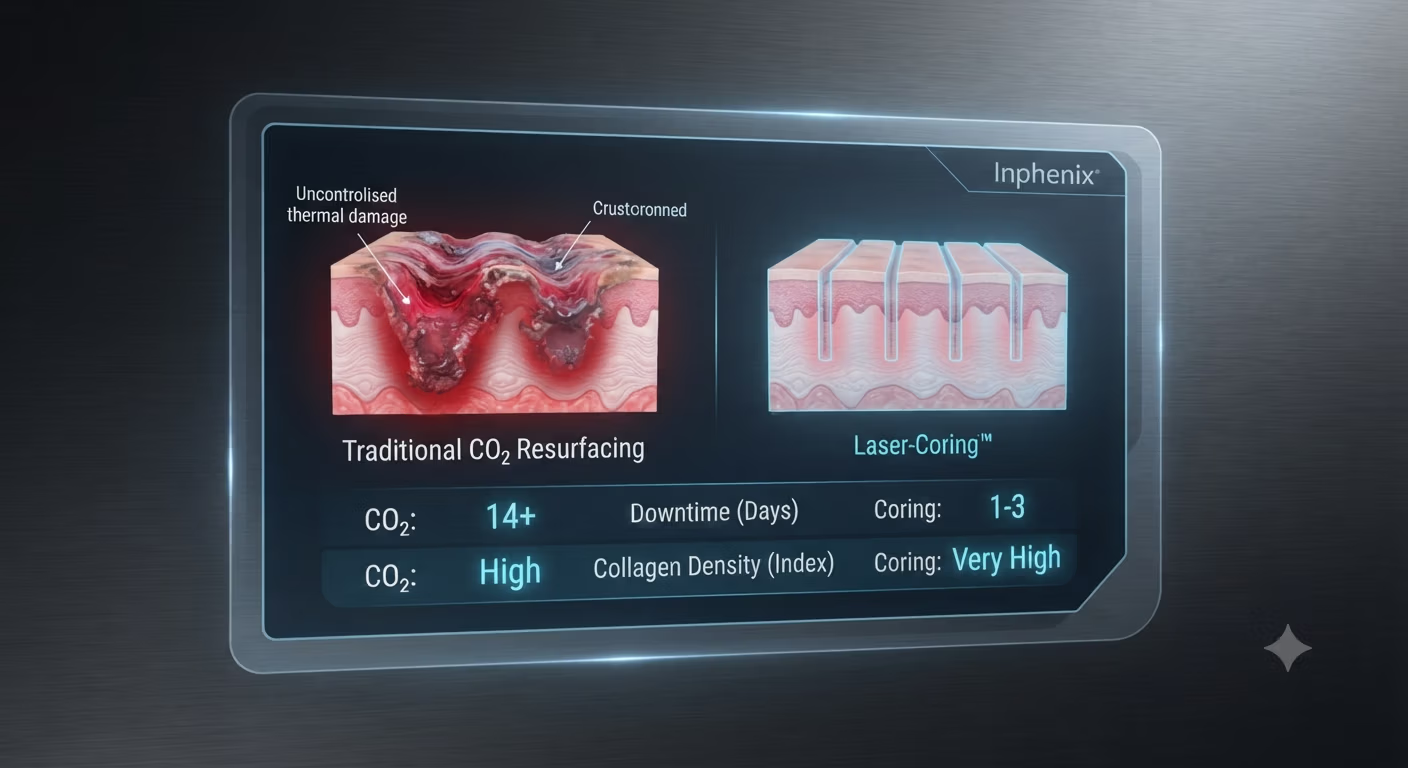
To understand how Laser-Coring achieves surgical-level results without surgery, one must look at how it interacts with human tissue during the initial consultation. Traditional resurfacing removes broad sheets of the epidermis, causing extensive thermal damage, swelling, and extended downtime.
In contrast, Laser-Coring utilizes ultra-short pulse durations to create microscopic, controlled vertical channels or “cores” that penetrate deep into the dermal layer.
- Precision Fractional Delivery: The laser energy targets specific micro-columns of tissue while leaving the surrounding tissue completely intact.
- Tissue Contraction: As these microscopic thermal channels heal, they naturally contract, leading to immediate structural tightening and a reduction of redundant skin laxity.
- The Optoelectronic Backbone: Achieving this level of micron-scale accuracy requires robust diode components and stable optical output. Manufacturers relying on precision Inphenix Laser Diodes can deliver the consistent beam quality necessary to execute these delicate procedures reliably.
The Biological Mechanism: Awakening Dormant Fibroblasts
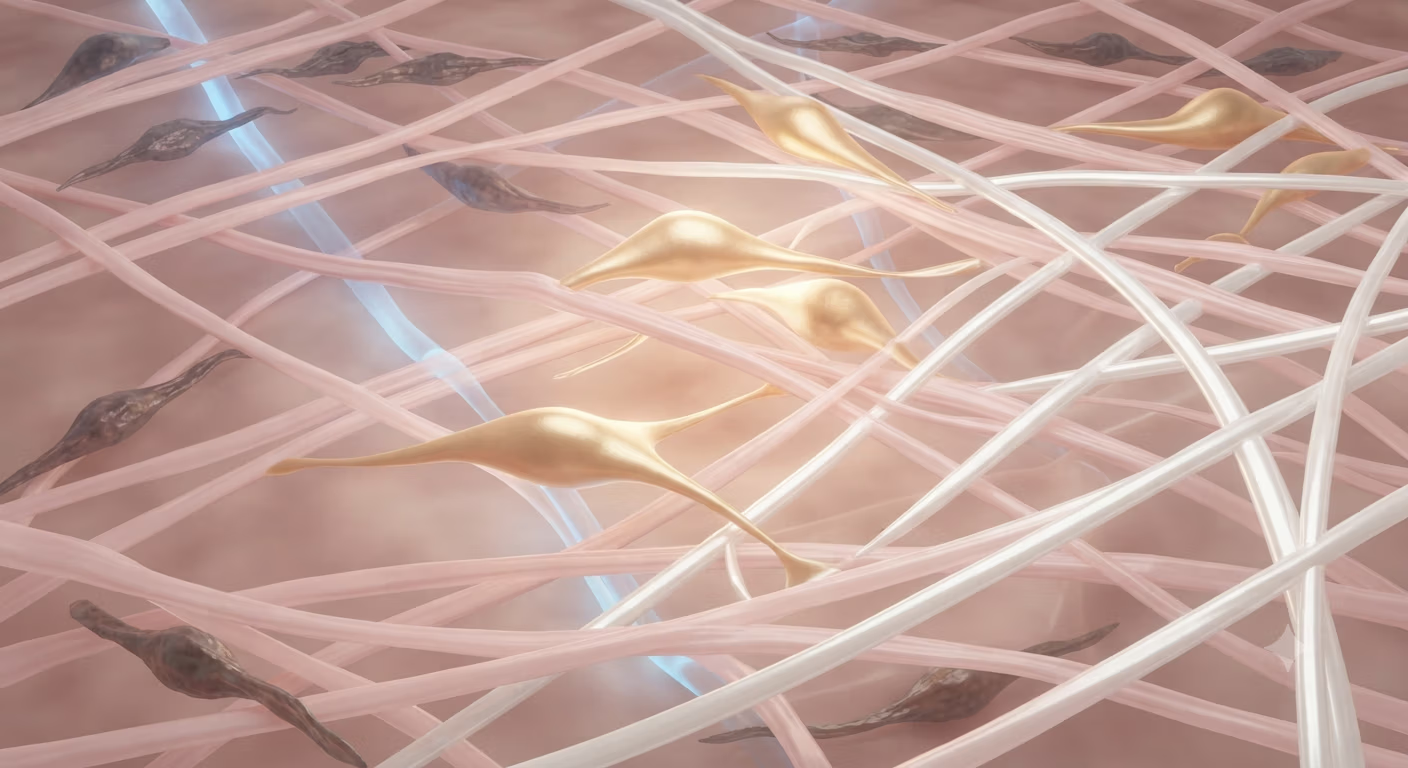
The true magic of Laser-Coring lies not in the physical ablation itself, but in how it triggers the body’s intrinsic healing cascade.
As we age, our natural production of collagen and elastin drops off significantly, causing structural collapse, fine lines, and deep wrinkles.
When Laser-Coring creates its microscopic treatment zones, it activates dermal fibroblasts—the primary cells responsible for synthesizing structural proteins and promoting collagen remodeling.
- Wound-Healing Response: The localized micro-injuries trick the body into initiating a robust cellular repair protocol without the trauma associated with full-scale surgery.
- Neocollagenesis: Over a period of several weeks and months, new Type I and Type III collagen bundles form, organizing into a dense, supportive matrix that enhances skin texture.
- Signal Integrity: Just as advanced medical diagnostics rely on clear signals—such as those amplified by Inphenix Semiconductor Optical Amplifiers (SOAs) to maintain data integrity—human cellular regeneration relies on clean, uniform thermal delivery to prevent erratic scarring and promote flawless tissue remodeling.
Comparing Laser-Coring to Traditional Modalities
Patients and practitioners often weigh Laser-Coring against older laser protocols and surgical cutting interventions, much like how drilling techniques are assessed for precision and efficiency in construction.
The advantages of this modern approach become clear when analyzing recovery parameters and clinical outcomes:
| Feature | Traditional CO₂ Resurfacing | Standard Microneedling | Laser-Coring |
|---|---|---|---|
| Invasiveness | High (Full epidermal vaporization) | Low (Mechanical punctures) | Minimal (Micro-fractional channels) |
| Downtime | 2 to 4 weeks of open skin | 1 to 3 days of mild redness | 1 to 3 days of minimal social downtime |
| Collagen Depth | Deep, but with high risk of complications | Superficial to medium | Deep dermal restructuring with intact surface |
| Skin Tightening | Moderate to High | Low to Moderate | High (Comparable to minor surgery) |
By bridging the gap between non-invasive treatments and surgical facelifts, Laser-Coring provides the structural tightening patients want with the safety profile modern medicine demands.
Engineering the Future: The Role of Advanced Photonics
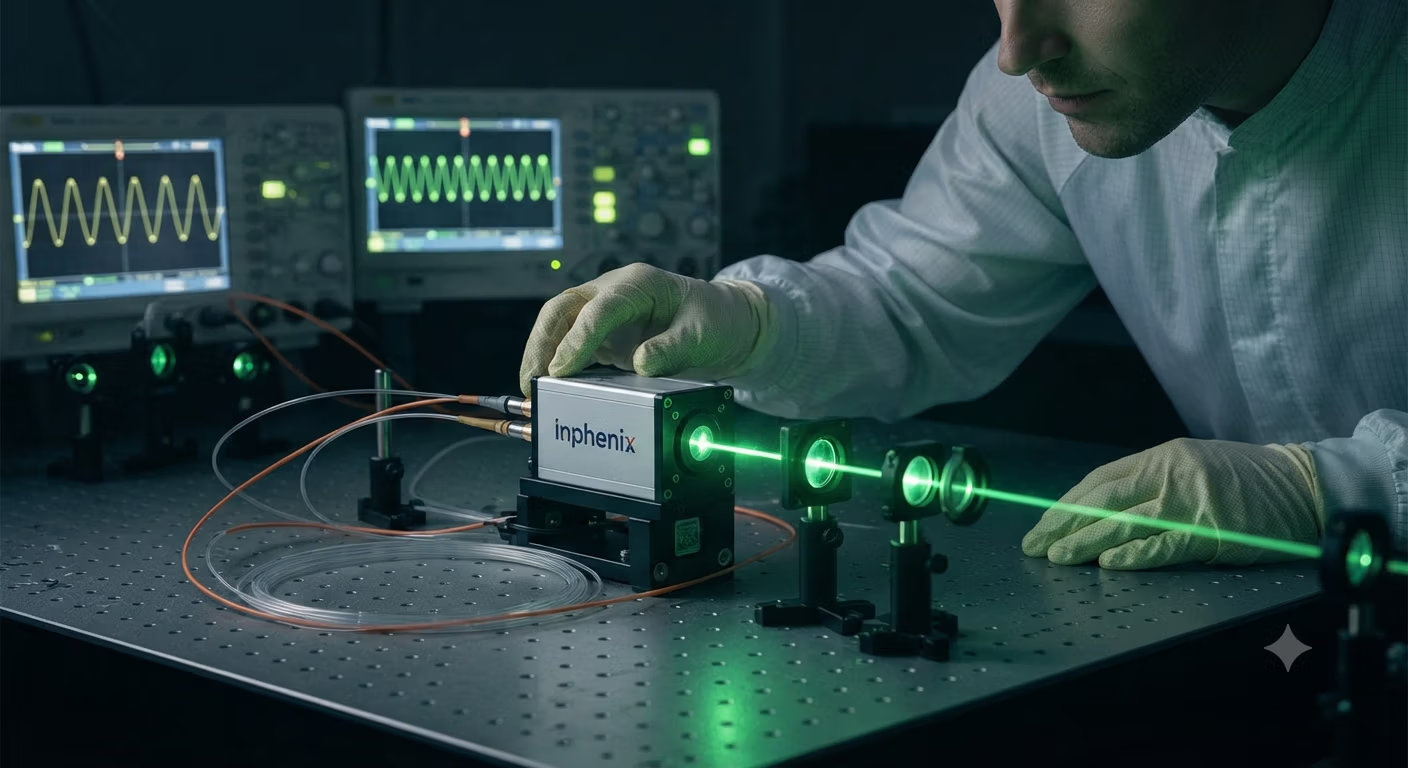
The rapid consumer adoption of Laser-Coring is heavily dependent on hardware evolution.
Medical device manufacturers are under continuous pressure to build lighter, faster, and more reliable laser delivery systems.
- Wavelength Precision: Different skin depths and pigment absorption coefficients require strict wavelength control. Utilizing specialized light engines equipped with Inphenix Superluminescent Diodes (SLDs) allows engineers to design medical inspection and targeting sub-systems that operate with absolute spectral fidelity.
- Thermal Management: Consistent pulse energy prevents accidental thermal diffusion into healthy surrounding tissue. High-grade semiconductor components ensure that clinical lasers maintain uniform power delivery from the first pulse to the last during a full-face rejuvenation session.
What Conditions Benefit Most from Laser-Coring?
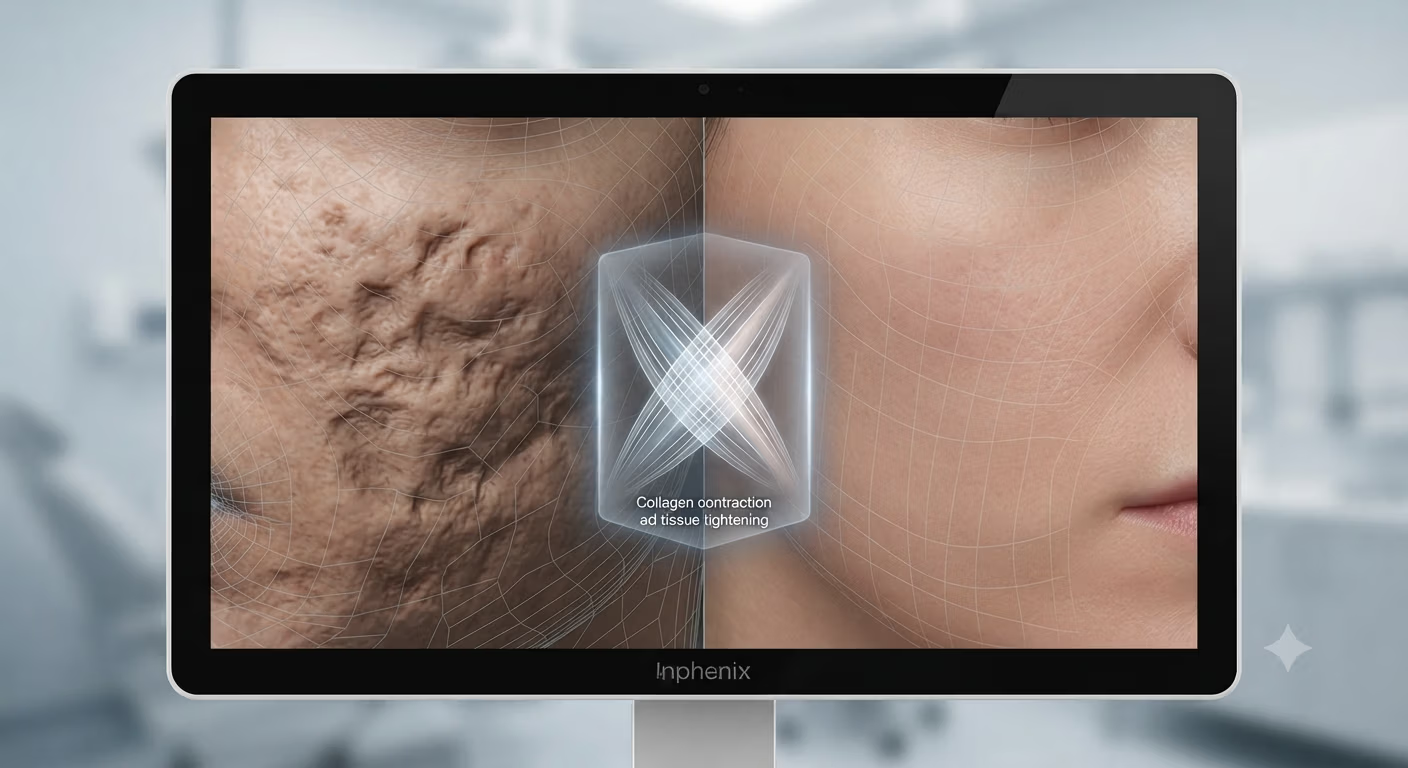
Because Laser-Coring targets the deep architectural layers of the dermis without destroying the stratum corneum, it is uniquely suited for a wide spectrum of complex dermatological conditions, facilitating effective collagen remodeling:
- Deep Atrophic and Acne Scars: Ice-pick, boxcar, and rolling scars that previously resisted conventional resurfacing can be softened from the inside out.
- Perioral and Fine Lines: Delicate areas like upper lip “smoker’s lines” and crow’s feet benefit immensely from the precision of Laser-Coring.
- Skin Laxity and Jowl Formation: Early to moderate lower face sagging and neck laxity are tightened via natural wound-contraction processes.
Conclusion: The Horizon of Non-Surgical Rejuvenation
Laser-Coring represents a massive leap forward in aesthetic medicine, proving that patients no longer have to choose between minor superficial improvements and radical, high-downtime surgery.
By safely activating the body’s natural collagen factories through precision-controlled micro-injuries, this technology delivers structural, lasting transformation.
As medical device engineers continue to push the boundaries of what is possible, the integration of superior optical parts—such as those developed by Inphenix—will remain the cornerstone of safe, ultra-precise, and effective clinical laser systems.